P.B.C. Information Central


What is PBC?
Primary biliary cirrhosis is a chronic liver disease.
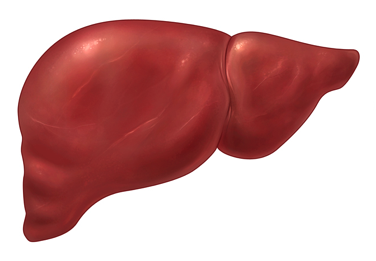
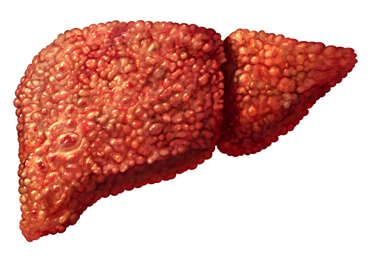
Bile ducts?
P.B.C. involves inflammation with progressive scarring of the bile ducts in the liver where eventually the ducts are blocked, the liver becomes scarred, and cirrhosis and liver failure develop.
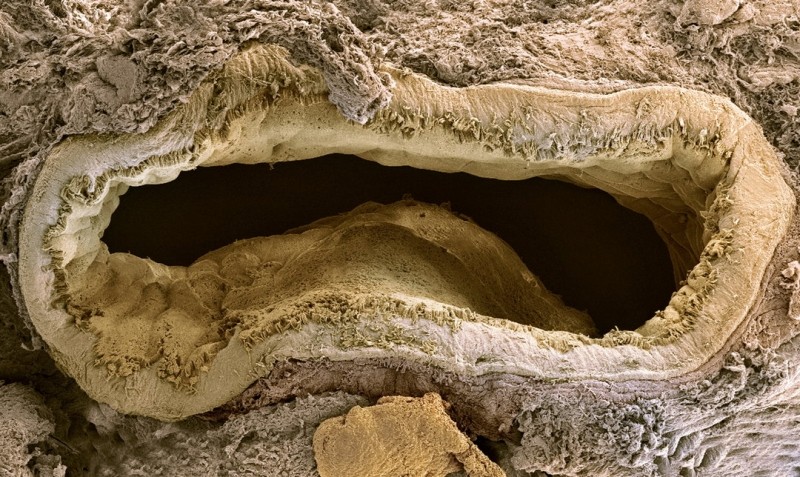
Bile is a digestive liquid, dark green to yellowish brown in color, that is produced by the bile ducts in the liver.
Scientists still have a lot to learn about PBC.
An Important Note
People with primary biliary cirrhosis do not actually have cirrhosis when the disorder begins. Cirrhosis develops only after they have had the disorder for some time.
As cirrhosis is only a feature of advanced disease, patient advocacy groups proposed a change of name to “primary biliary cholangitis” in 2014. Use of the new name was advocated in medical literature in September 2015.
Cholangitis?
Cholangitis is an infection or inflammation of the bile duct in the liver. This word doesn’t give the negative and undeserved connotation of alcohol that cirrhosis gives; it also happens to start with the letter C, which eliminated the need to give P.B.C. a new acronym, which might have been confusing to the general populous.
Progression of PBC
Step 1
P.B.C. begins with inflammation of the bile ducts due to currently unknown causes
Step 2
This inflammation blocks the flow of bile out of the liver, causing bile to remain in the liver and gradually injure liver cells
Step 3
As damaged cells spread, a latticework of scar tissue (fibrosis) develops throughout the liver and the liver starts to lose its ability to function
Step 4
Scar tissue replaces more and more liver tissue, disrupting the liver's internal structure, causing cirrhosis
Causes of PBC
P.B.C. and Autoimmune
The cause is not clear, but scientists think it’s probably an autoimmune reaction (in which the immune system attacks the body’s own tissues)
- Primary biliary cirrhosis often occurs in people with autoimmune disorders, such as rheumatoid arthritis, scleroderma, Sjögren syndrome, or autoimmune thyroiditis
- An autoimmune cause is also thought possible because more than 95% of people with primary biliary cirrhosis have certain abnormal antibodies in their blood that attack mitochondria
- These antibodies are not involved in the destruction of the bile ducts; other immune cells attack the bile ducts. What triggers this attack is unknown, but it may be exposure to a virus or a toxic substance.
Despite the strong association between alcohol and liver disease, drinking alcohol does not cause P.B.C.
Why??
These are the main genetic factors that increase risk of having P.B.C.
- Gender: 9 out of 10 people with primary biliary cirrhosis are women
- Age: Primary biliary cirrhosis is most likely to occur in people 30 to 60 years old
- Family history: Even though it’s not technically considered hereditary, having a family member with the disease does make it more likely that you will develop it
When any of the above genetic factors are combined with any of the following environmental factors, P.B.C. can be triggered
- Infection: Researchers suspect primary biliary cirrhosis could be triggered by a bacterial, fungal or parasitic infection
- Smoking: Smoking is associated with increased risk of primary biliary cirrhosis
- Environmental toxins: Some research suggests that toxic chemicals may play a role in developing primary biliary cirrhosis
Seriously, why?
We also know that it cannot be transmitted by simple contact, kissing, blood, or sexual contact.
Occasionally P.B.C. comes to light during or just after pregnancy. It is not clear whether pregnancy may spark it off or, because pregnant women are under close medical supervision, the symptoms of P.B.C. are first noticed during pregnancy.
Symptoms of PBC
PBC usually starts very gradually. About half of the people that get it don’t have any symptoms at first, and some never end up getting any symptoms.
First and most common symptoms of the disease
- Fatigue: Feeling constantly tired
- Pruritus: Itching skin, the severity of which is not indicative of the amount of liver damage; it is thought that bile acids are not the cause of the itching, but rather other chemicals that are retained in the body
- Dry eyes and mouth: Self-explanatory
Other symptoms that may develop as the disease progresses
- Constant or variable ache or discomfort in the upper right hand side of the abdomen below the ribs
- Indigestion, nausea, or poor appetite
- Arthritis (inflammation of the joints)
- Pain in the bones
- Mottled palms with red or pink blotches
- Diarrhea
- Dark urine and/or stools
- Jaundice (yellowing of skin)
How PBC is diagnosed
Doctors can tell whether you have PBC based on a combination of some or all of the following tests and procedures.
Antibody test
- Most people with P.B.C. have something in their blood called antimitochondrial antibody (AMA)
- An antibody is a chemical made by the body to attack an “invader”
- Though doctors are not really sure why, the presence of AMA in your blood is an important sign that you have P.B.C.
Liver function tests (LFTs)
- This type of test is performed to gain an idea how the different parts of your liver are functioning
- The Liver Function Tests are made up of a number of separate examinations, each looking at different properties of your blood
- In P.B.C., doctors will be looking for increased levels of both alkaline phosphatase (ALP), an enzyme released into the blood by damaged bile ducts, and the immunoglobulin IgM
- The liver enzymes alanine transaminase (ALT) and aspartate transaminase (AST) are also monitored, although these are a measure of any leakiness or damage relating primarily to liver cells rather than the bile duct cells
Ultrasound scan
- Ultrasounds are the same technology used to confirm all is well in pregnancy
- Gel will be applied to the skin, which may feel slightly cold, and a probe, like a microphone, will be moved across the skin to send sound waves into the liver area; these reflected sound waves, or echoes, are picked up through the probe and used to build a screen image of the liver’s condition
- This painless test is used to check the condition of the bile ducts and to rule out the possibility that symptoms could be a sign of a different liver problem
Liver biopsy
- If tests show you have P.B.C. you may need a liver biopsy to see how serious the condition is
- During a liver biopsy a tiny piece of the liver is taken for study
- A fine hollow needle is passed through the skin into the liver and a small sample of tissue is withdrawn
- The test is usually done under local anesthetic and may mean an overnight stay in hospital, although some people may be allowed home later the same day
- As the test can be uncomfortable and there is a very small risk of internal bleeding or bile leakage, a stay in bed of at least six to eight hours is required
Stages of the disease
Stage 1
Portal Stage: Normal sized triads; portal inflammation, subtle bile duct damage. Granulomas are often detected in this stage.
Stage 2
Periportal Stage: Enlarged triads; periportal fibrosis and/or inflammation. Typically characterized by the finding of a proliferation of small bile ducts.
Stage 3
Septal Stage: Active and/or passive fibrous septa.
Stage 4
Biliary Cirrhosis: Nodules present; garland or jigsaw puzzle pattern.
Treatment for PBC
There is currently no known treatment for PBC.
However, there are things that can be done to help either manage the symptoms or slow the progress of the disease.
Managing unpleasant symptoms
- Itching skin: Colestyramine (sold as Questran) may be prescribed by your doctor to help ease itching. Taken orally, colestyramine works by preventing re-absorption of the chemicals that cause the itching. It can take days or even weeks before this becomes effective.
- Dry eyes and dry mouth: The combination of dry eyes and a dry mouth (sicca syndrome) might be soothed by such treatments as artificial tears and saliva, lubricating gels and oestrogen creams. Sometimes lozenges from the pharmacy will help with mouth dryness.
- Heartburn: P.B.C. may cause some people to experience heartburn. If you get heartburn you may find that eating small amounts often helps. Avoid big meals and spicy food. It is a good idea to always carry something to eat, preferably food high in carbohydrate such as a barley sugar or boiled sweet.
- Low energy levels: Always feeling tired is caused by your liver being unable to provide enough energy for the rest of your body. This means that carrying out day-to-day tasks can be exhausting. You may find that making changes to your lifestyle can make a big difference, such as pacing your activities, doing gentle exercise, changing your hobbies and daily activities, and if you are able, giving up your work or doing it part-time.
Slowing progress of the disease
- A medication called ursodeoxycholic acid (URSO, also referred to as UDCA) has helped some people. Made from naturally occurring bile acid, it seems to work through several mechanisms by protecting the liver from the harmful chemicals in the bile.
- A number of other medicines are also now being tried and your medical team may ask for your assistance in this.
- At present, a liver transplant is the only option for people who have advanced P.B.C.. Although this is drastic, liver transplantation works well for people with P.B.C.. It is possible to get P.B.C. in your new liver, as high as 18%, but it may take up to 15 years before the disease becomes significant.
There are also things you can do in the meantime as a P.B.C. patient to take care of yourself
- Diet: Eat at least 5 portions a day of fruit and vegetables, lots of carbohydrates, and only a small amount of sodium (contributes to tissue swelling and buildup of fluid in abdomen) and fat (many people with P.B.C. have difficulty digesting fat).
- Alcohol: Although alcohol does not cause P.B.C., having P.B.C. does force people to change their alcohol consumption. Alcohol is actually a poison dealt with by the liver. If your liver is damaged it may mean that you have difficulty coping with alcohol and many people with P.B.C. find they can no longer drink alcohol. Others may find they can only drink a little alcohol now and then, perhaps on a special occasion.
- Exercise: As we get older our bones often become thinner and weaker, called osteoporosis. This is more common among women, especially after the menopause. P.B.C. may make this worse, but you can help to stop this problem by doing plenty of weight-bearing exercise.
PBC Today
There are patient support groups that exist to help people with PBC to cope and learn more about their disease.
- The P.B.C. Foundation: The P.B.C. Foundation is a UK-based international charity offering support and information to people with P.B.C., their families and friends. It campaigns for increasing recognition of the disorder, improved diagnosis and treatments, and estimates over 8000 people are undiagnosed in the UK. The Foundation has supported research into P.B.C. including the development of the P.B.C.-40 quality of life measure published in 2004 and helped establish the P.B.C. Genetics Study. It was founded by Collette Thain in 1996, after she was diagnosed with the condition. Thain was awarded an MBE Order of the British Empire in 2004 for her work with the Foundation. The P.B.C. Foundation helped initiate the name change campaign in 2014.
- P.B.C.ers: The P.B.C.ers is a US-based patient support group that was founded in 1996 and advocates for greater awareness of the disease and new treatments.
Continuing research
P.B.C. has been known for more than 100 years, but now doctors are able to diagnose it very early. Because of this, treatment can begin before the liver is severely damaged.
Scientists are continuing to study the disease to find the cause and understand its development. In addition, investigators are exploring the use of several additional medications to lessen the symptoms and control liver damage through drug therapy trials, involving a large number of patients around the world.
On a personal note
The reasoning behind my choice of a rather obscure liver disease stems from a family connection. My aunt, who I am very close to, was diagnosed with P.B.C. in 2006, and she ended up almost dying before the hospital in Denver finally approved for her daughter to donate half her liver. The liver transplant was successful, she's been living a happy and productive life ever since, and their story was actually published online and in the paper.